Tackling Winter Installation Challenges for New Roofs
Winter in Chicago isn’t just cold—it can be brutally tough, and that kind of weather puts everything to the test, especially your roof. Installing a new roof when snow is falling, temps are dropping, and wind is picking up creates a whole different set of challenges. It’s not as simple as getting some nails, shingles, and a ladder. Cold weather affects materials, working conditions, and even timelines.
Preparation is everything when tackling roof work in winter. You need to think ahead, work smart, and rely on experienced hands to get the job done right. Mistakes during a cold-weather project can lead to larger problems down the line. That’s why it’s worth understanding what makes winter roofing so different, and how those challenges are handled when timing can’t be moved and the job can’t wait for spring.
Understanding Winter Challenges
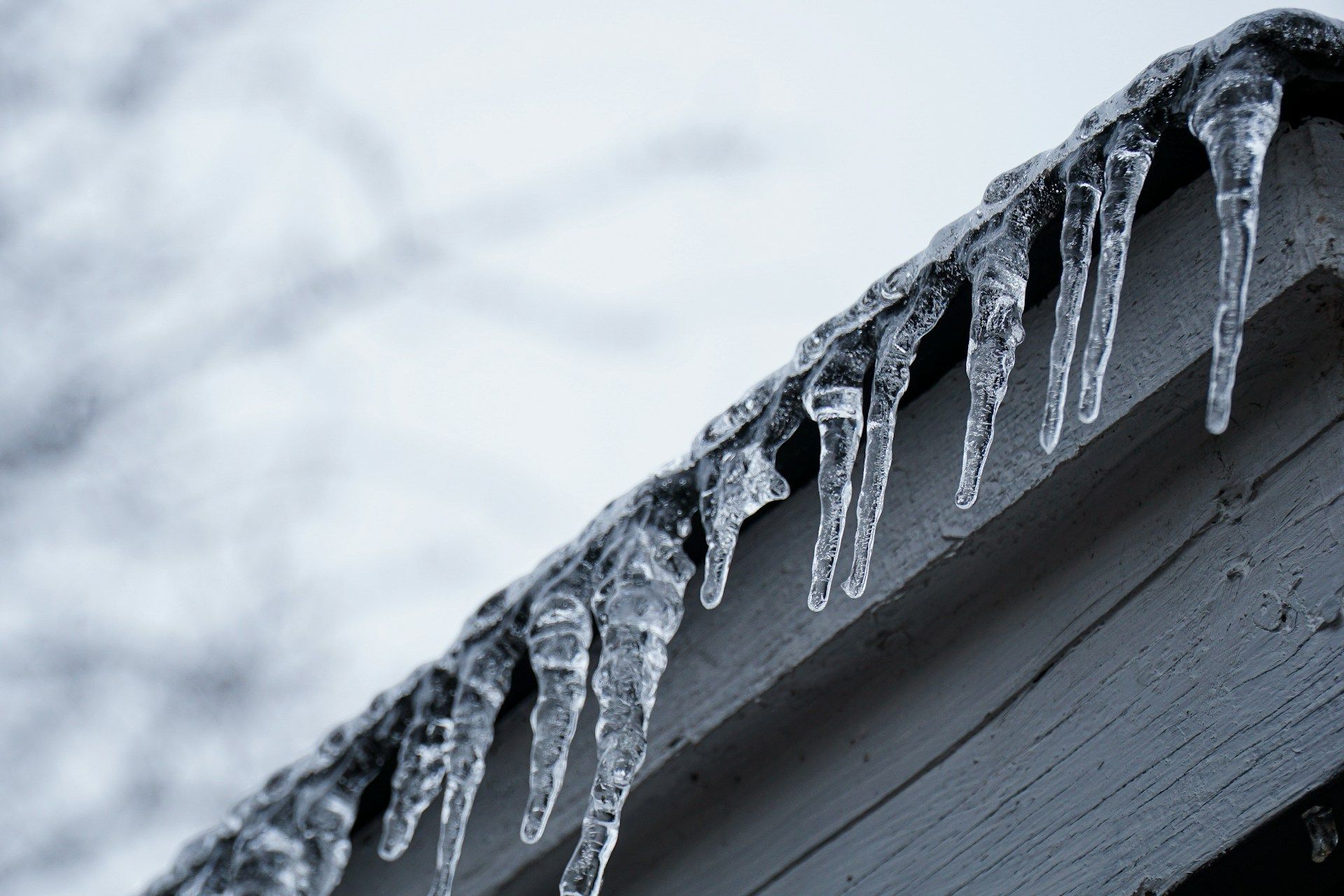
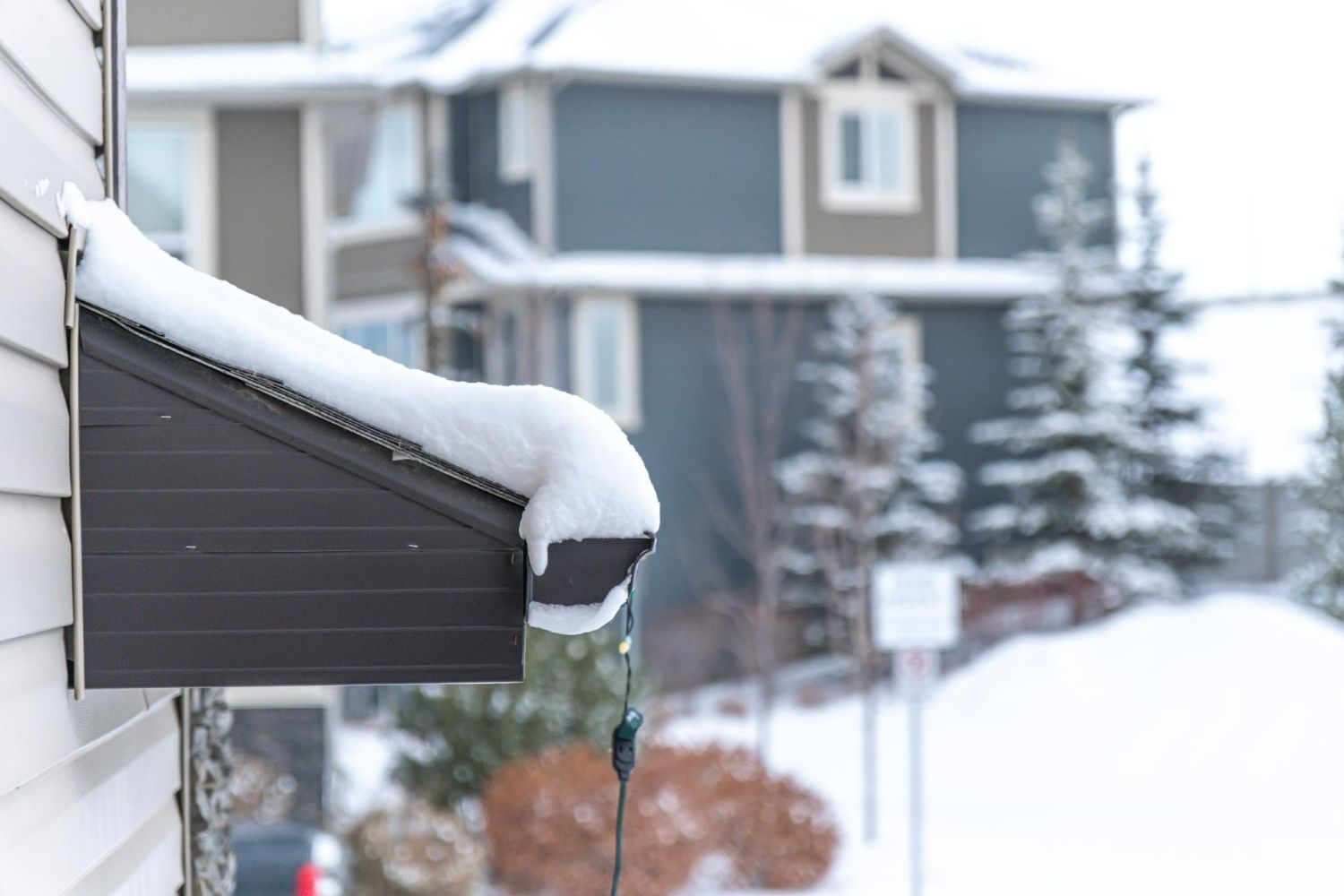
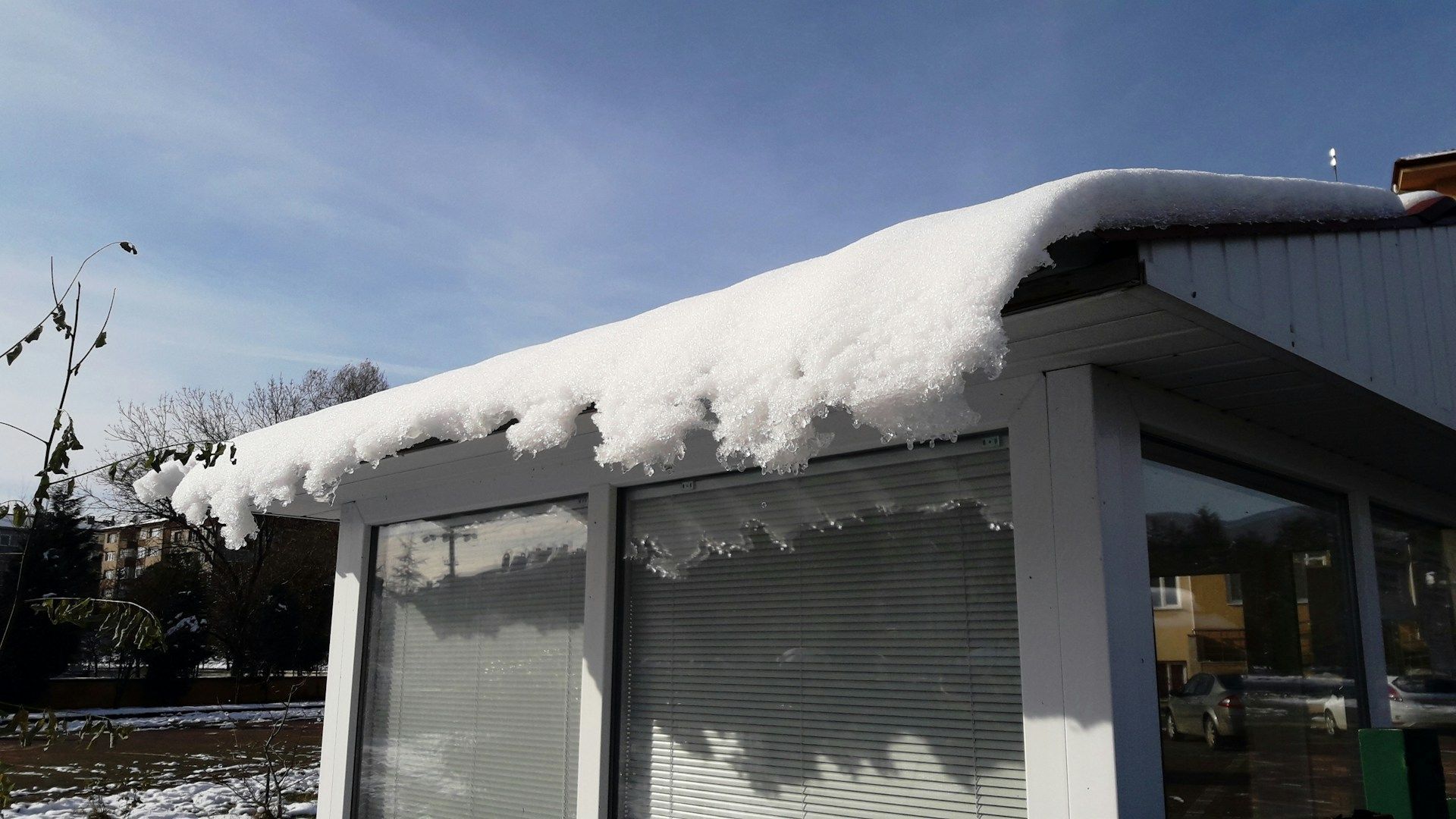
New roof installation during a Chicago winter comes with more than just cold fingers and frozen toes. Weather slows everything down. Ice makes walking on rooftops slippery and treacherous. Snow can build up overnight and delay progress the next day. And those aren’t the only headaches installers need to think about.
Here’s a closer look at the challenges:
- Shingles behave differently in the cold. Many types become brittle and can crack during installation.
- Adhesives take longer to seal or may not cure properly without extra steps.
- Tools and equipment become harder to handle with gloves or in icy conditions.
- Safety becomes a top concern due to slippery surfaces and less predictable work areas.
- Scheduling gets complicated when winter storms pop up suddenly or cause delays.
It’s no surprise that installing a roof in these conditions takes more caution than usual. For example, an adhesive that sets in 10 minutes on a sunny 70-degree day could take hours or fail completely below freezing. That affects everything from timing to durability. Without the right adjustments, these weather quirks can turn into real problems come springtime. Roofers need to plan ahead for these situations or risk doing more harm than good.
Importance Of Timely Installation
Pushing a roof replacement too far into the season can bring more stress and more bills. By the time mid-December hits in Chicago, the weather can become unpredictable fast. Waiting too long might leave your home exposed at the worst possible moment, like when a thaw hits, snow starts to melt, and minor leaks become major damages.
There’s also the issue of cost. If a damaged roof is left unaddressed for too long, small repairs can snowball into full replacements, and costs can go up alongside the damage. Small leaks from early freeze-thaw cycles can lead to saturated insulation, stained ceilings, and even mold in some cases. While it might feel smart to wait for warmer days, winter doesn’t wait for anyone.
Making sure your roof is strong, watertight, and ready to handle heavy snow loads shouldn’t get pushed to the bottom of the to-do list. It’s better to plan now and avoid dealing with emergency repairs when the weather’s at its worst. Tackling the job at the right time protects both your home and your budget.
Tips For Successful Winter Roof Installation
Working on a new roof during Chicago winters takes a lot more planning than usual. Cold temps, icy surfaces, and short daylight hours all add layers of difficulty. But with the right steps, roof installations can move forward safely and with better results.
Here are some tips that make a big difference:
1. Use materials meant for cold weather. Some shingles are more flexible and can handle lower temps without breaking, but they still need special handling to keep their edges from cracking.
2. Warm up the materials ahead of time. Storing shingles in a heated space makes them easier to work with out on the roof.
3. Pay extra attention to sealing. Sealants may not bond well if it’s too cold. Using heat-assisted tools, like a roofing torch or adhesive heater, can help get strong seals in the right spots.
4. Clear and dry the roof before getting started. Any leftover snow, ice, or moisture can mess with work progress and create major safety risks.
5. Choose the right time of day. Mid-morning to early afternoon is usually best in winter when the temps are more stable and the sun may offer some warmth.
6. Watch the weather forecast closely. Even a light snow overnight could delay installation or cause unexpected hazards on a half-finished roof.
Even with good planning, winter installs move slower. Safety comes first, and shortcuts should never replace proper technique. One slip or rushed job can lead to long-term issues that are hard to spot until the freeze ends.
How Region Roofing & Remodeling Prepares
Roof installation in a Chicago winter isn’t something to jump into without preparation. It takes the right approach, tools, and process to keep the project on track and avoid costly do-overs. Experienced teams step in with a structured plan that doesn’t leave much to chance.
Jobs are handled with a deep understanding of how winter weather changes everything, from the way nails drive into cold decking to how adhesive bonds under freezing conditions. Materials are carefully chosen for cold resistance and stored in heated areas before use. Crew teams stay flexible, ready to shift schedules to avoid upcoming snowfall or freezing rain.
Worksites are cleared early, sometimes with special tools made for removing ice from roofs without damaging surfaces. Safety harnesses and walk boards are double-checked, especially when you're walking on frosted shingles. Installers also keep a steady communication flow going throughout the day to track progress, shifting weather, and any signs that conditions may turn unsafe.
An often overlooked piece of the winter process is cleanup. It’s more than just tossing old shingles in a dumpster. Ice-covered debris can cause problems if it melts suddenly and clogs a drain or gutter. Sharp materials frozen into snow piles create slipping hazards around walkways. Good prep goes both ways—before and after installation.
Stay Safe and Warm This Winter
Winter doesn’t mean roofing has to stop. It just means it needs to be approached with more care. Chicago homeowners dealing with leaks, worn-out shingles, or old roofs shouldn’t assume it’s better to wait until spring. The wait can do more harm than good. Cold weather brings risks for bigger damage, and snow loads can test weak spots a roof may have handled just fine a few months earlier.
Smart scheduling, the right tools, and solid planning all make winter roof work possible. Completion may take a bit longer or require extra steps, but the payoff is a roof that protects through the hardest stretch of the year. You don’t need to settle for temporary patches if something more permanent is needed.
Getting a new roof installed during the winter months is completely doable with the right help. When teams are trained to handle the shift in process, materials are managed carefully, and safety stays the priority, even the coldest season can clear the way for a strong, updated roof. Don’t wait for another thaw to fix what you already know needs attention.
Winter roofing projects demand careful planning and professional care to make sure everything holds up through the harshest months. If you're thinking about a
new roof installation in Chicago, it pays to work with a team that knows how to handle cold-weather challenges. Reach out to Region Roofing & Remodeling to get expert help and dependable results that keep your home protected all season long.